


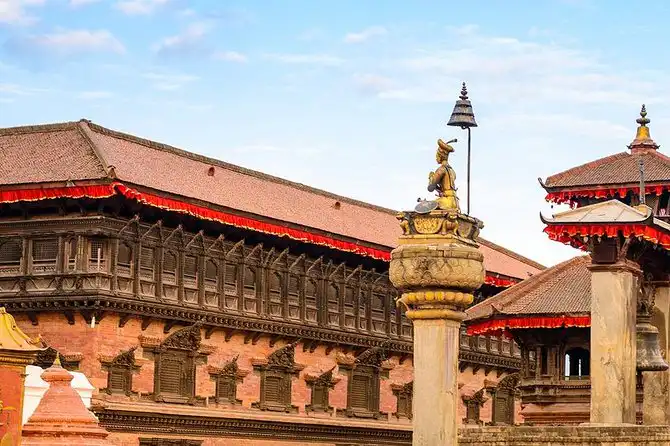

A journey to Bhaktapur Durbar Square is a journey back in time. It is one of the most popular destinations in Nepal, and rightfully so. The environment, ambiance, culture, and lifestyle around Durbar Square have been preserved for hundreds of years and remain the same with only minuscule changes with the times. UNESCO has also acknowledged its significance as it has been listed as a World Heritage Site.
The Bhaktapur Durbar Square is located in the center of Bhaktapur, just 33 km away from Kathmandu and a gateway to the panoramic viewpoint of Nagarkot. The whole square is made from four squares: Durbar Square, Taumadhi Square, Dattatraya Square, and Pottery Square. Durbar, in Nepali, means palace. Thus, Bhaktapur Durbar Square is the location where the royal palace of Bhaktapur ancient city (also known as Bhadgaon or Khwopa) resided. The area is surrounded by the Newari people’s residents, who are the place’s residents since medieval times.
Khwopa was the capital of Nepal during the reign of the Malla Kingdom and was also the largest of the three Newa kingdoms. The tall ancient temples, red and white bricked pavements, old Newari settlements, ancient stone statues, and the intricate wood carvings make up the aesthetic of Bhaktapur Durbar Square. Visitors feel as though they have traveled back to the time of the Mallas while here, as the place is more isolated and preserved than the other two Durbar Squares.
Several pagodas and Shikhara-style temples surround the royal palace, all of immense cultural significance to Hindu and Buddhist devotees. The Vastala Temple (built-in 17th century), Yakcheswor Temple (built-in 1480), and Naytapola Temple, Bhairav Nath Temple, Dattatraya Temple, Teel Mahadev Narayan Temple, Bhimsen Temple, and many more temples adorn the square from all sides. Among these temples, the Naytapola (five stories) temple has the highest significance in Nepal’s history of ancient architecture. All of these temples were built by the Malla kings during their reign, starting from the 1400s to as late as the 1700s.
The 55-window palace is one of the most awe-inspiring pieces of architecture in Bhaktapur Durbar Square. The Pujari Math (house of the priest) built in the 15th century by King Yaksha Malla is famous for its wood carvings and the peacock window situated at the house’s eastern face. Siddha Pokhari, which is located at the gate of Bhaktapur, is also a famous tourist spot.
The art of wood carving has been preserved well in Bhaktapur and has been handed down from generation to generation. There is no lack of shops that sell traditional Thangga paintings, wood carvings, pottery, traditional clothes, and metal statues.
Bhaktapur Durbar Square also gains its popularity from the local delicacies that travelers can enjoy here. Among the others is the delicacy Ju Ju Dhau which is a type of locally produced yogurt that is made and distributed in cups made from clay. Bhaktapur is also famous for its assortment of local herbs, spices, and sweets.
Bhaktapur is also known to be a city of festivities and celebrations. Several Jatra, pujas, and other festivities, which the residents enjoy with a blast throughout the year. Some of the most famous and thrilling festivals celebrated in Bhaktapur are Bisket Jatra, Kumar Khasti, Gai Jatra, Gunla, and Yomari Purnima.
Bhaktapur Durbar Square is thus a perfect travel destination for people of all ages and interests. All in all, Bhaktapur Durbar Square is one of the places that travelers should not miss out on the opportunity to visit while in Nepal.
In conclusion, Bhaktapur Durbar Square stands as one of Nepal’s most treasured historical and cultural landmarks, offering visitors a remarkable glimpse into the country’s medieval past. The square’s preserved temples, royal palaces, and traditional Newari settlements reflect the artistic brilliance and architectural excellence of the Malla Kingdom. Walking through its ancient courtyards and brick-paved streets allows travelers to experience a living museum where history, religion, and daily life continue to coexist. The magnificent temples, including the iconic five-storied Nyatapola Temple and the beautifully carved 55-Window Palace, highlight the exceptional craftsmanship of past generations. The area’s spiritual atmosphere, enriched by both Hindu and Buddhist traditions, adds to its cultural depth and importance.
Beyond its monuments, Bhaktapur offers a vibrant cultural experience through its local markets, traditional crafts, and authentic Newari lifestyle. Visitors can witness skilled artisans creating wood carvings, pottery, and Thangka paintings, preserving centuries-old traditions. The city’s famous delicacy, Ju Ju Dhau, along with other local foods and sweets, provides a unique taste of Bhaktapur’s culinary heritage. Its lively festivals, such as Bisket Jatra and Yomari Purnima, bring the city to life with color, music, and deep-rooted traditions. Recognized as a UNESCO World Heritage Site, Bhaktapur Durbar Square continues to symbolize Nepal’s rich cultural identity and historical significance. Overall, it remains an essential destination that offers an unforgettable journey into Nepal’s timeless heritage.


